Supply Chain Intern
Safran Group
Automated TMS data cleaning and transportation-provider scorecards. Worked with the shipping team and supply chain leaders to connect performance measures with operational needs.

Texas A&M · Class of 2026
A people person.
A practical problem solver.
Always curious about what's next.
I'm an Industrial Distribution graduate pursuing a career in sales. This is a little journey through the work, experiences, and ideas that shaped me.
Off the clock
Learning by doing
From reselling sneakers to teaching lifeguards, I've learned to listen, adapt, and earn trust.
Safran Group
Automated TMS data cleaning and transportation-provider scorecards. Worked with the shipping team and supply chain leaders to connect performance measures with operational needs.
Self-employed
Follow market trends to inform pricing, respond quickly to customers, and coordinate efficient shipping while maintaining high customer ratings.
Monfort-Fellowes
Handled the distribution of estate assets to donation centers and businesses.
City of Plano
Served as an instructor from June 2021, leading employee certification courses in lifeguarding, CPR, and oxygen administration, along with weekly in-service training.
Additional experience: Lifeguard, Lifetime Fitness · Dec 2023 – Aug 2024.
Texas A&M University
B.S. Industrial Distribution
Class of 2026
A foundation in technical products, business operations, and customer relationships.
Explore relevant coursework →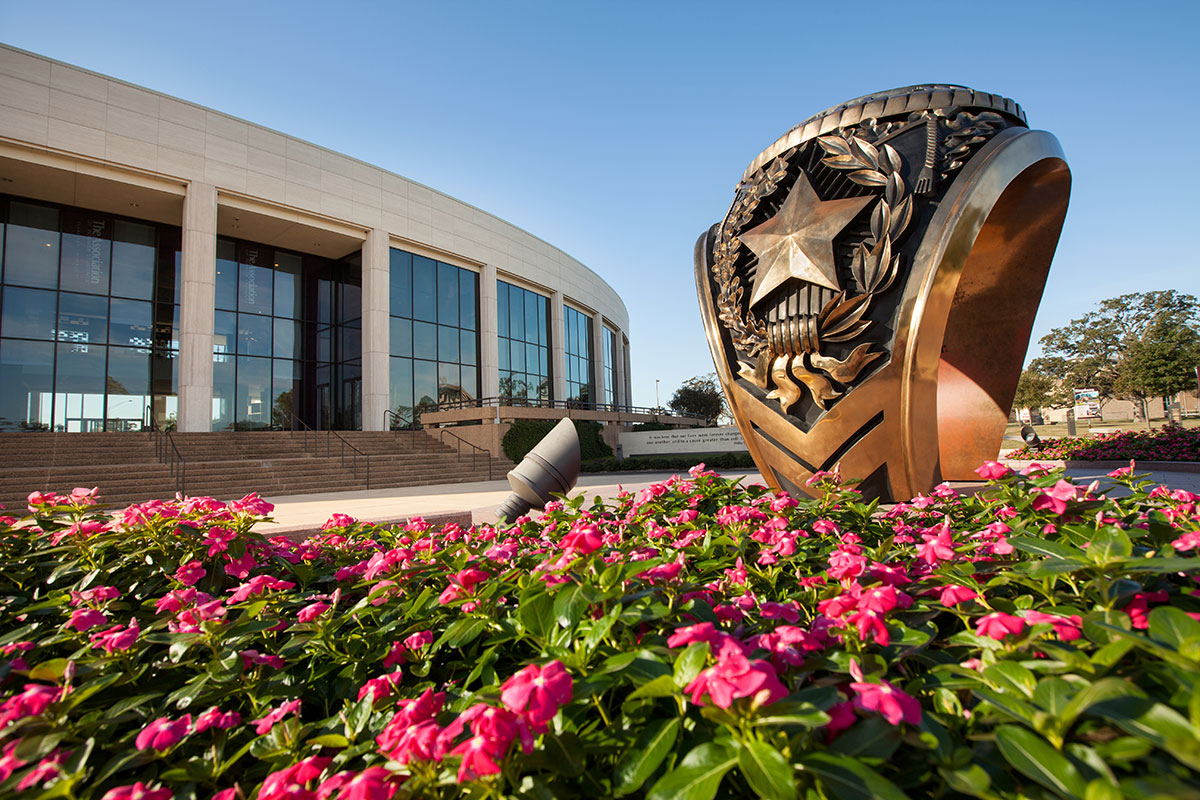
Safran · Summer 2025
One import. One button.
A clearer picture of carrier performance.
When Safran switched transportation management systems, I learned the new data, interviewed the shipping team, selected meaningful KPIs, and coded Excel macros to turn exports into provider scorecards.
Following a transition to a new transportation management system (TMS), Safran needed a way to evaluate shipping and transportation providers using the data available in the new platform.
I interviewed members of the shipping team to understand which performance measures mattered to them. I selected the KPIs, learned how to extract the relevant TMS data, and mapped those measures to the available fields.
I then coded Excel macros to process an imported TMS data sheet, extract the selected KPIs, and display the results alongside an overall provider grade.
A reusable scorecard workflow: import the TMS export, press a button, and review the provider’s performance measures and grade.
Team capstone · Incentive Concepts
How can a distributor add value when its suppliers start selling direct?
Our team developed risk analysis and bundle creation tools to support a corporate gifting company. I owned substantial market research, the customer survey, and qualitative data collection, and supported portions of the Python development.
Average proposed-bundle margin in team testing.
Not realized sales or profit.
Our client faced disintermediation: suppliers were beginning to sell directly to consumers, challenging the value of an intermediary in corporate gifting and personalization.
I researched the corporate gifting industry, including competitors’ offerings, bundling models, and suppliers’ direct-to-consumer strategies. This work helped the team assess how a distributor could continue to add value.
I was responsible for the customer survey and qualitative data collection. The questionnaire explored gifting frequency, budgets, bundle preferences, online ordering, customization, and interest in recurring gifts. I also contributed to portions of the Python code in a supporting role.
Customer and sponsor input helped connect the solution to purchasing preferences and operational constraints. The survey was exploratory: the small response sample could not establish market demand, so further customer research and a pilot remained important next steps.
We developed tools to support the client’s multi-brand bundling strategy and make a manual bundle-selection process more systematic. An Excel model supports scenario analysis and examination of brand and customer concentration. A Python risk engine uses historical revenue to calculate brand risk scores.
A second Python tool matches those scores to inventory, evaluates product combinations against user-selected constraints, and ranks qualifying bundles using weighted risk and margin criteria.
The final report describes bundle-list generation moving from a manual process measured in hours to an automated process measured in minutes. In the team’s comparison using matching input parameters, average proposed-bundle margin increased from 22.3% to 33.8%—an 11.5 percentage-point difference.
These were project testing results, not realized sales or profit. The delivered toolkit uses exported data and requires human review of product compatibility, packaging, brand restrictions, and customer appeal. It was not a live e-commerce or ERP integration.
An Excel risk model, two Python notebooks, a user guide, and a final report documenting the research, methodology, testing, and implementation considerations.
Texas A&M University
B.S. Industrial Distribution
A foundation in how products, people, and businesses connect. Explore the courses behind my approach to sales and operations.
IDIS 330
IDIS 433
IDIS 340
IDIS 364
IDIS 424
ACCT 209
MGMT 209
IDIS 343
IDIS 344
IDIS 450
IDIS 434
IDIS 443
IDIS 444
STAT 201
ISTM 209
ENGR 102
ESET 300
ESET 400
MMET 201
MMET 301
MMET 401
Course titles link to Texas A&M's official catalog.
The next stop
Looking for someone who's curious, customer-focused, and ready to contribute?
I'm pursuing sales opportunities where I can build relationships and apply my background in industrial distribution.
ryancunningham@tamu.eduThank you for visiting.
Back to the beginning ↑